The approval of Ngāi Tahu Seafood's Hananui Aquaculture Project is one of the most significant milestones for New Zealand aquaculture in decades and a powerful example of what it means to Lead Boldly.
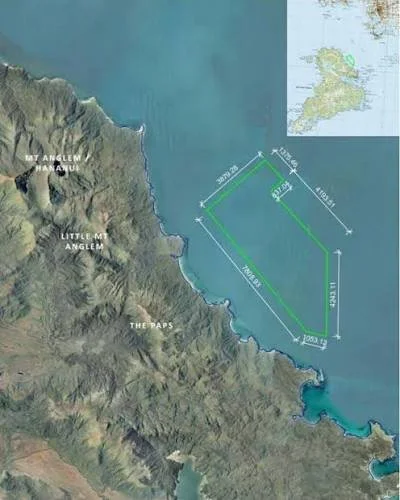
Hananui, located off the northern coast of Rakiura/Stewart Island, is potentially the most significant salmon farming development approved in New Zealand in a generation.
It is the result of years of effort, investment and belief in the future of open-ocean aquaculture.
Scale and production
14,400 tonnes of salmon per year projected production
Equivalent to almost New Zealand's entire current annual salmon production
A major step toward large-scale open-ocean salmon farming, widely viewed as the next frontier for aquaculture growth in New Zealand
Economic impact
More than $310 million in annual sales revenue expected once fully operational
Expected to create 415 to 480 jobs in the Southland region
Significant contribution to regional economic development and export growth
Industry significance
The first aquaculture project approved through the Fast-track process
Seen by Government as a key example of the type of project needed to achieve the aquaculture sector's $3 billion annual revenue target by 2035
Supports growth of New Zealand's premium king salmon exports into markets where demand continues to exceed supply
Ngāi Tahu achievement
Represents the culmination of a seven-year journey to secure approvals
Original consent application lodged in 2019, followed by multiple regulatory processes and setbacks, including a declined application in 2023
A significant expression of rangatiratanga and Māori-led economic development within the Ngāi Tahu takiwā, according to Ngāi Tahu Seafood
Recognition beyond a single project
Aquaculture New Zealand Chief Executive Tee Hale Pennington describes the approval as a significant milestone not only for Ngāi Tahu, but for the wider aquaculture sector.
She says the Expert Panel's decision recognised not only the economic, social and regional benefits of the project, but also the vision, perseverance and long-term commitment that had brought it to this point.
The approval also represents much more than a single development.
"It demonstrates confidence in innovation, science-led environmental management, and the aspirations of Te Rūnanga o Ngāi Tahu to responsibly develop world-class open ocean farming."
Open-ocean aquaculture has long been identified as one of New Zealand's greatest opportunities for sustainable seafood growth. Hananui is one of the first projects at a scale capable of demonstrating what that future could look like.
“With robust monitoring, adaptive management and strong environmental safeguards in place, Hananui has the potential to help shape the next chapter of sustainable seafood production, supporting regional growth and an enduring commitment to environmental stewardship."
For Ngāi Tahu, it is a landmark achievement. For Southland, it is a major economic opportunity.
For New Zealand aquaculture, it is a signal that the industry's next chapter can be larger, more innovative and more ambitious than ever before.
That is what Lead Boldly looks like.
“It demonstrates confidence in innovation, science-led environmental management, and the aspirations of Te Rūnanga o Ngāi Tahu to responsibly develop world-class open ocean farming.”