Welcome back, Steph Hopkins
A love of the ocean has been the consistent thread running through Steph Hopkins’ career.
Steph has returned to Aquaculture New Zealand as Policy Manager, following two years as a Principal Policy Advisor at MPI, where she provided leadership and insight on initiatives to improve the legislation and regulatory frameworks that support the aquaculture sector.
Originally trained as a marine scientist, Steph worked at Nelson’s Cawthron Institute, later moving into policy implementation roles with MPI where she worked on projects to support the sustainable growth of aquaculture.
“Policy is about working with people, and that’s what I enjoy—solving problems together to make their businesses run smoother and securing enabling rules and regulations that are sensible and easier to work with,” Steph says. “What gets me excited is trying to get the settings right for growth.”
Returning to the frontline of aquaculture feels like coming home. Steph describes the sector as a “positive, easy sell” for New Zealand.
“Aquaculture is sustainable, it’s low-impact, and it’s full of interesting, creative people. It’s farming—growing things—and it’s something we can be proud of.”
She is looking forward to working closely with farmers and industry partners and seeing where she can make the biggest difference.
“There’s a lot of change coming—in the regulatory environment, but also the wider landscape we work and live in.
A key part of my role is advocating for the best possible outcomes for aquaculture so we are set up for the future.”
Outside work, Steph and her family—two teenagers included—love spending time on the water. She’s also a committed foodie with a strong appreciation for aquaculture products.
You can contact Steph at steph.hopkins@aquaculture.org.nz
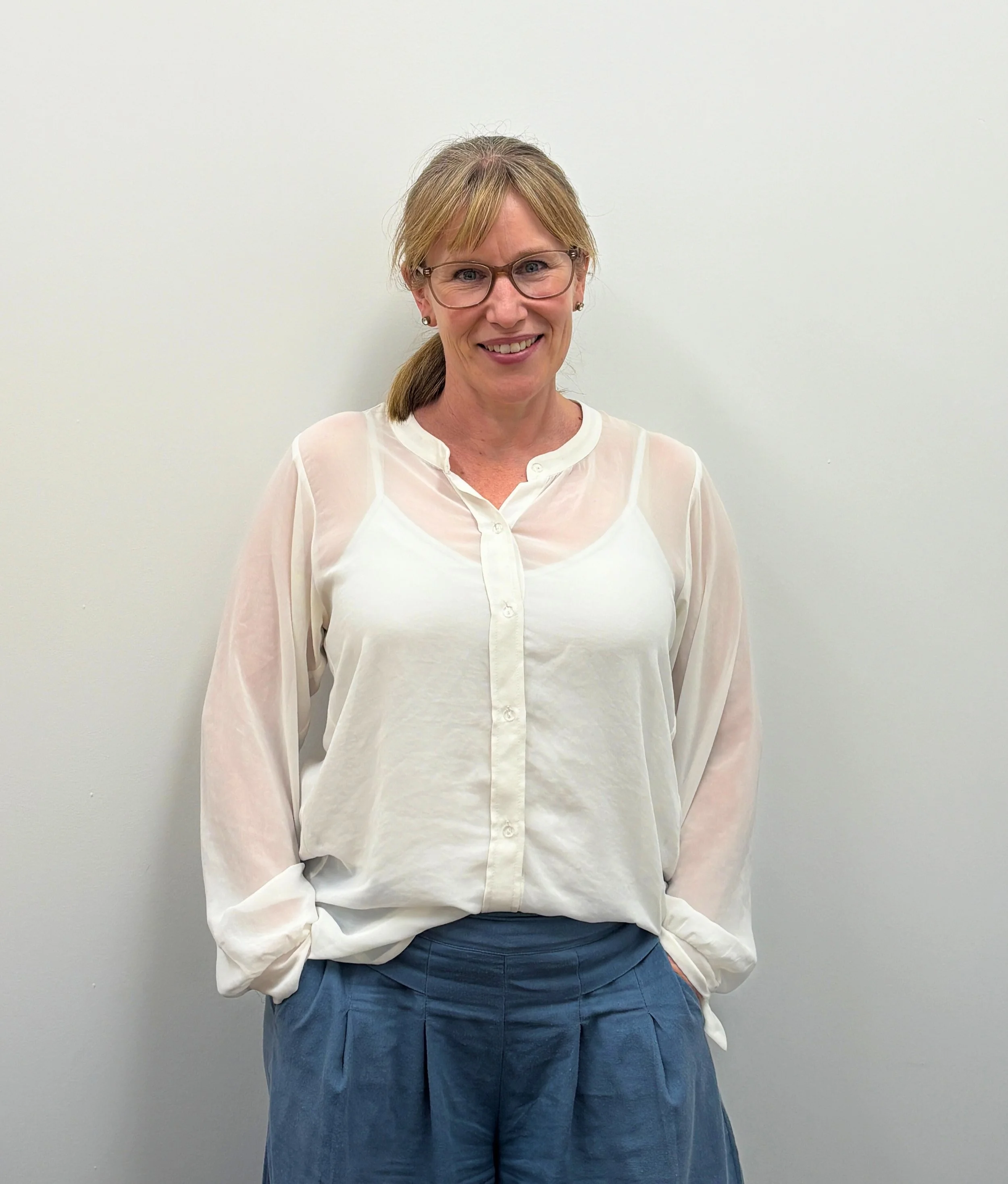
“Policy is about working with people, and that’s what I enjoy—solving problems together to make their businesses run smoother and securing enabling rules and regulations that are sensible and easier to work with”