Emily Clark
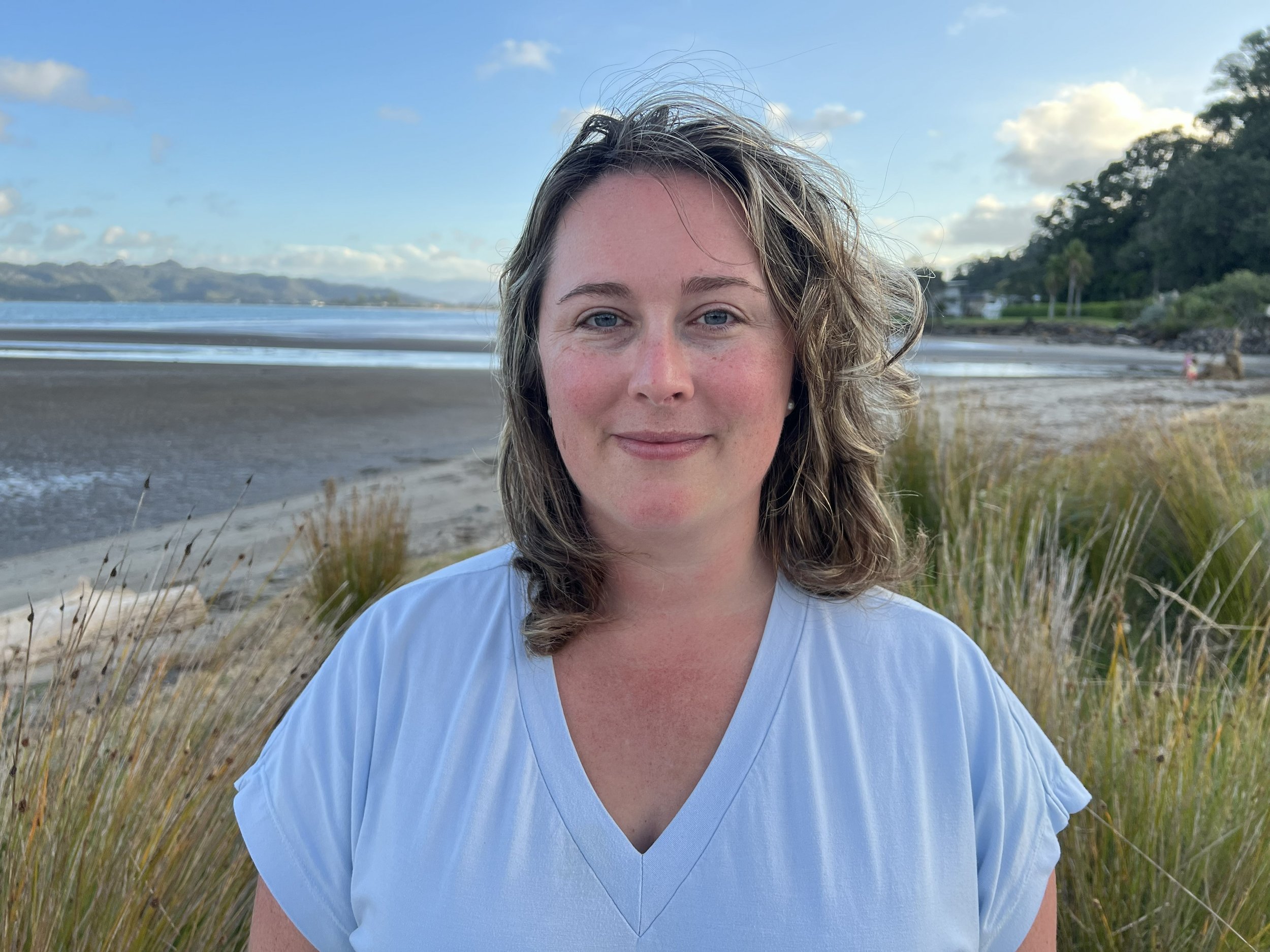
Food Safety Compliance Lead - OP Columbia (OPC)
Pathway to aquaculture: cleaning, compliance and leadership
Emily Clark’s entry to a career in aquaculture might not have been very glamourous but it’s a story of progression, persistence, and seizing opportunity.
She began as a cleaner on the night shift at a mussel factory, and today she is the food safety compliance lead, overseeing complex systems, audits, and export requirements in a highly regulated sector.
“I was just looking for steady work at the time,” Emily says. “I didn’t realise it was the start of a long‑term career.”
Emily grew up in Whitianga, with a strong connection to the ocean. During high school, she took part in the marine academy programme. She then trained as a scuba diving instructor through Dive HQ (now Dive Zone), gaining a diploma in wilderness adventure tourism, building practical skills and confidence in the marine environment.
“That’s really where my aquaculture journey started,” she says. “I just didn’t know it then.”
When she and her partner decided to buy a house in Whitianga, she took a seasonal cleaning role at OP Columbia’s (OPC) factory working from midnight to 5am. Her partner was working in mussel farming in the Coromandel at the time.
OPC is a major participant in the aquaculture industry on the Coromandel Peninsula, specialising in Greenshell™ Mussels.
After one season, Emily decided to try opening mussels and went on to work across most roles on site. This hands‑on experience gave her a deep understanding of processing operations and led to an administration role supporting compliance and staff training.
Over time, her responsibilities expanded to include testing programmes, registering staff training credits, export logistics, and supporting Ministry for Primary Industries audits. Alongside her work, Emily completed specialist training, including HACCP Level 3, which focuses on implementing international food safety standards for risk-based management, essential for MPI compliance.
“I think my strengths in this role are attention to detail, critical thinking, and building systems that actually work,” she says.
A key focus of Emily’s role has been developing, maintaining, and overhauling food safety and risk management programmes. These systems must be approved by MPI and are continually updated to reflect regulatory change.
“It’s a constantly evolving landscape,” Emily explains. “You’re always reviewing systems and training to keep up.”
Emily has now been the food safety compliance lead for around eight years, with several years in support roles before that. While her experience is rooted in mussels, she says the skills are transferable across seafood processing, with variations depending on species, and whether products are raw, heat‑treated, or frozen.
Emily was encouraged to apply for the Kellogg Rural Leadership Programme after a conversation with her managing director, Andrew Selby, about the Nuffield programme.
“Kellogg was recommended as a first step. I applied, then COVID happened — and I became pregnant.”
Emily deferred, stepped back for a while, and reapplied when her daughter turned three.
“The timing finally felt right, and I’m glad I gave it another go,” she says.
The Kellogg Programme challenged her, particularly the research component: “I’d never written a research paper before.”
The programme included an intensive week at Lincoln University, independent research, a Wellington governance block, and a final research presentation. Leadership, innovation, international trade, mental health, and wellbeing were also central themes.
Balancing the programme with a full‑time job and a young child was demanding, but Emily credits strong workplace support for making it achievable.
She completed the programme in 2023 and was offered the opportunity to use it, alongside recognised prior learning, toward a postgraduate certificate in commerce through Lincoln University.
Emily remains passionate about mussels and the aquaculture industry.
“They’re living organisms and — cleverer than people realise,” she says. “No year is ever perfect, and that challenge keeps it engaging.”
As a woman in aquaculture, Emily describes her experience as positive and supportive. One of the most valuable outcomes of the Kellogg Programme has been the lasting peer network.
“The connections are genuine,” she says. “We’re still sharing knowledge, supporting each other, and staying connected across the primary industries.”