Clevedon Coast Oysters is celebrating 40 years of family-grown New Zealand oysters.
This is a rich, distinctly New Zealand story that weaves together family history, food, hard work, and coastal life.
Callum McCallum, great grandson of the business founder, reflects on the Clevedon Coast Oyster story. Callum is the great grandson of the business founder (John McCallum) of our family business McCallum Bros (shipping and aggregate business), but Callum started Clevedon Coast Oysters in 1986 alongside his Father John McCallum and his two Uncles Robbie and Bill McCallum. However, Great Grandfather John McCallum did grow oysters in the Hauraki Gulf in the early days, but Callum turned oyster growing into the Clevedon Coast Oyster business in 1986.
Q: When you look back over 40 years in the oyster industry, what changes stand out most, and which ones most shaped how Clevedon Oysters operates today?
The RMA superseding the Marine Farming Act was a decade or more of pain for the industry, fighting for survival and rights that we had established the industry with.
More recently some regional councils have embraced aquaculture, others haven’t—so there is a disparity for people operating in different council regimes.
Clevedon Coast Oysters has farms in Auckland and Northland, and believe it or not, the Auckland Council has become more user friendly than Northland, allowing us to expand our original farms and apply for new consents which have been granted for 35 years.
Q: A lot has changed over that time, but some things haven’t. What lessons or values from earlier generations still guide the way you work today?
Farming oysters is just that—farming a living animal.
Farming on spreadsheets has consistently been a disaster, and moving wholesale to new technologies has bitten many again and again.
There is no one answer to what farming methods you should use; every area is different and suits some methods better than others.
Q: Clevedon has always been central to your family story. What does this place and its community mean to you, and how have they shaped the business over the years?
Our great grandfather arrived in the area in the 1870’s, and since then our family have operated vessels, farmed, quarried and grown oysters, employing and working with local people as the backbone of our operations.
We are only 45 minutes from downtown Auckland (traffic dependent!) but a world away.
We have been lucky enough to be able to contribute back to the community through sports clubs, emergency organisations etc which make the community a stronger place and a better one for us to bring up our families.
We have been the first employer for literally hundreds of local kids and have been able to try to instil a work ethic—to varying degrees of success!
Q: The industry has had its share of challenges. Which moments were the toughest, and what did they teach you?
The Pacific Oyster Mortality Syndrome (caused by a herpes virus) in 2010 when 70 percent of our oysters died over night wasn’t great.
It reinforced the fact that aquaculture is a risky game, and even though pacific oysters are tough as anything, they died en masse over the whole of northern New Zealand.
Having manageable debt was a crucial factor to survival of businesses, even though growing businesses on cash flow is slower than through debt.
The oyster industry increased our prices by a couple of dollars per dozen which actually made us profitable, and we have retained that margin through to today—although some do their best to erode it!
Q: Have you noticed a shift in how people think about oysters, sustainability, and where their food comes from? How has that influenced the way you run and talk about the business?
Unfortunately, price is still the main driver for a lot of importers and distributors, which is sad.
Clevedon Oysters are organic and grown from natural spat, which may tick the boxes for some people, but generally not for larger customers.
We have been strong on our brand for 35+ years, and when we started our brand, one of the major retailers wondered what we were doing.
A number of years later he told me it had been a good idea—lucky for us! They are still a customer and have one of New Zealand’s biggest branded sushi chains.
People do choose to buy the Clevedon Oyster brand on its own, which is great.
However, this also means our people carry a lot of responsibility to deliver a consistently high-quality oyster, so customers stay happy.
Q: Clevedon Oysters has grown significantly while staying very local and family-driven. How have you managed that balance?
For our first 15 years of business, we only sold on the local market, and started exporting in the late 1990’s.
We didn’t dump our second-grade oysters on the local market like other exporters which has given us a great long-term market, not dependent on exchange rate or foreign issues.
We have some great long-term local customers we have supplied for well over 30 years— so have been through thick and thin with them.
Our family have been involved in the oyster farm since its inception.
We literally built our original farm from scratch with my dad and two uncles, which was great fun and a real achievement.
Our kids have all worked on the farms with their mates since they were young, and while a couple are offshore currently, they will be coming back to work in the family businesses with Annie at the oyster farm and her husband working at the McCallum Residence.
Q: With the next generation stepping into larger roles, what do you hope they hold onto, and what do you see ahead for the oyster industry in New Zealand?
The oyster industry in New Zealand has a great future as we have improved growing water quality in most of our farming areas, unlike the rest of the world.
We have good access to large export markets around Asia which are close and who love oysters—so have very good future demand.
Our next generation understand the values we hold and more importantly why we hold them.
Values like, looking after employees, working hard and growing quality product, are ingrained in them, so the idea is that they take the business to another level with technology, and more growing water which we have consented for 35 years in the future.
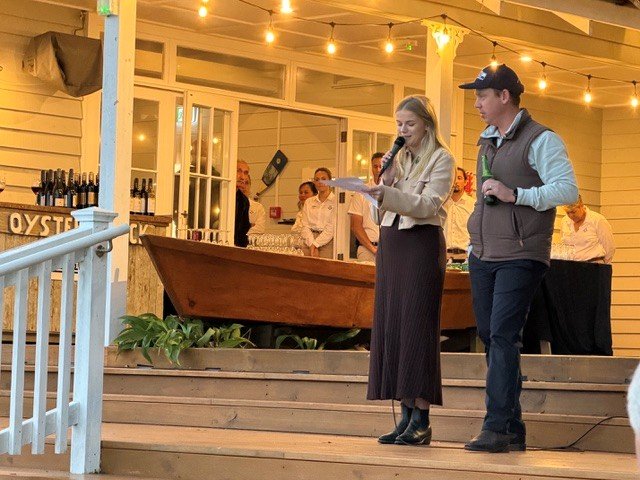
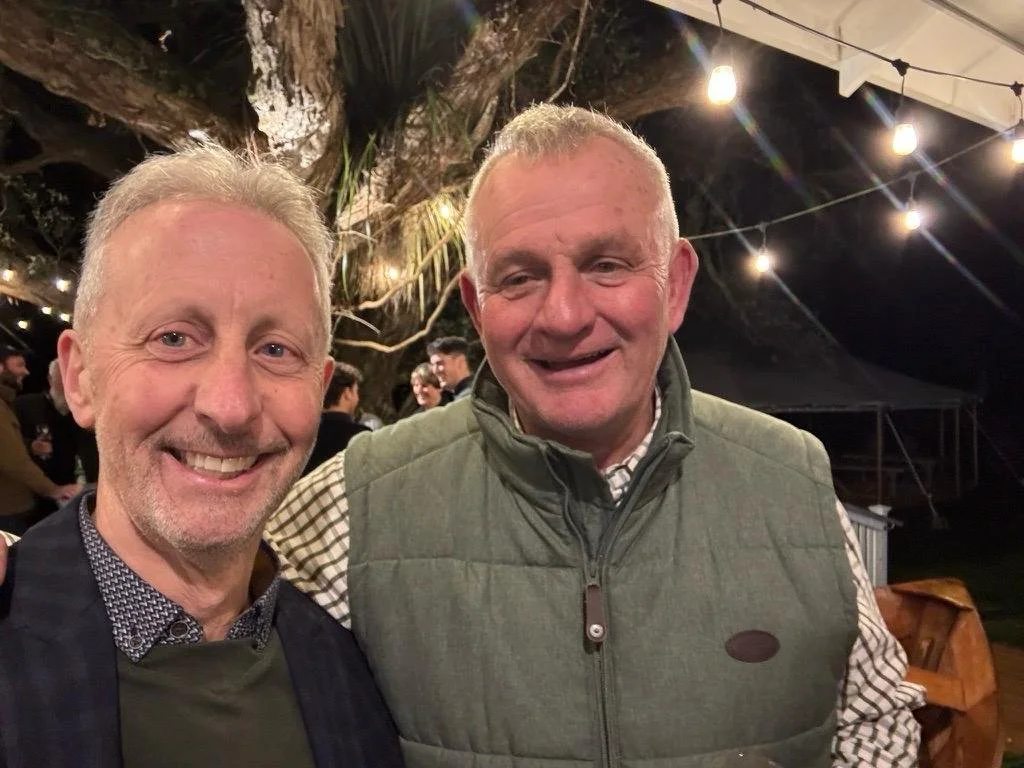
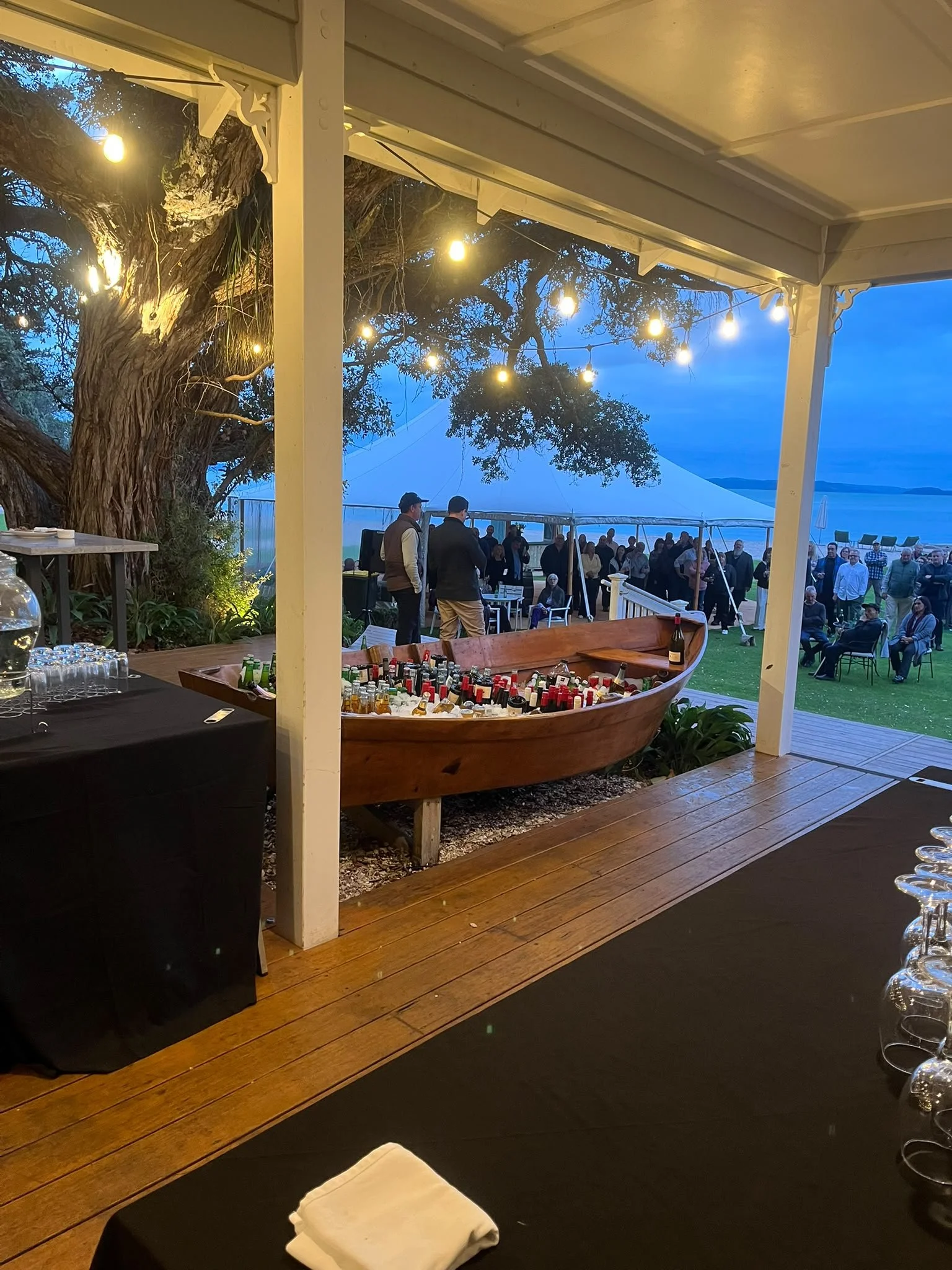
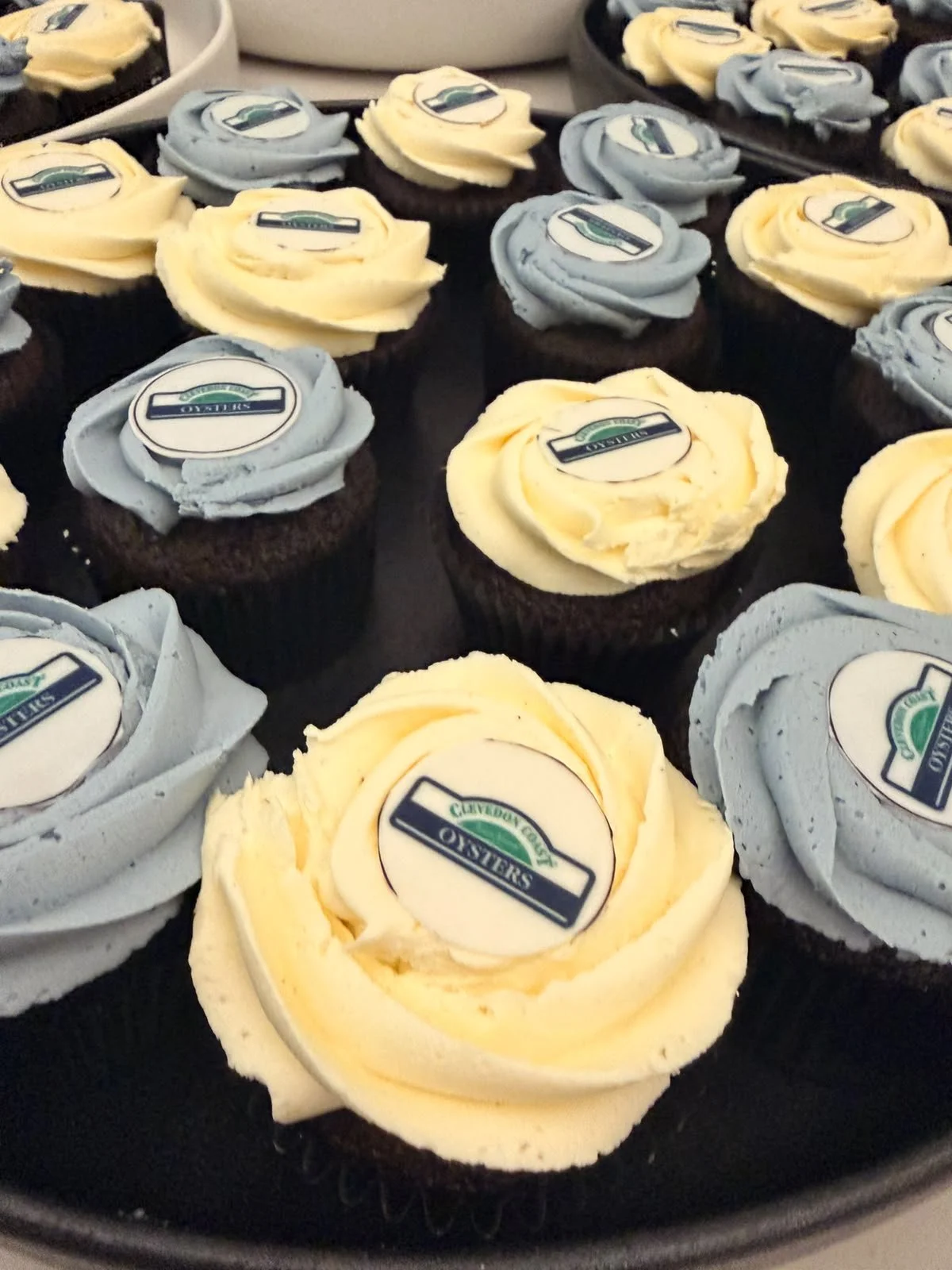
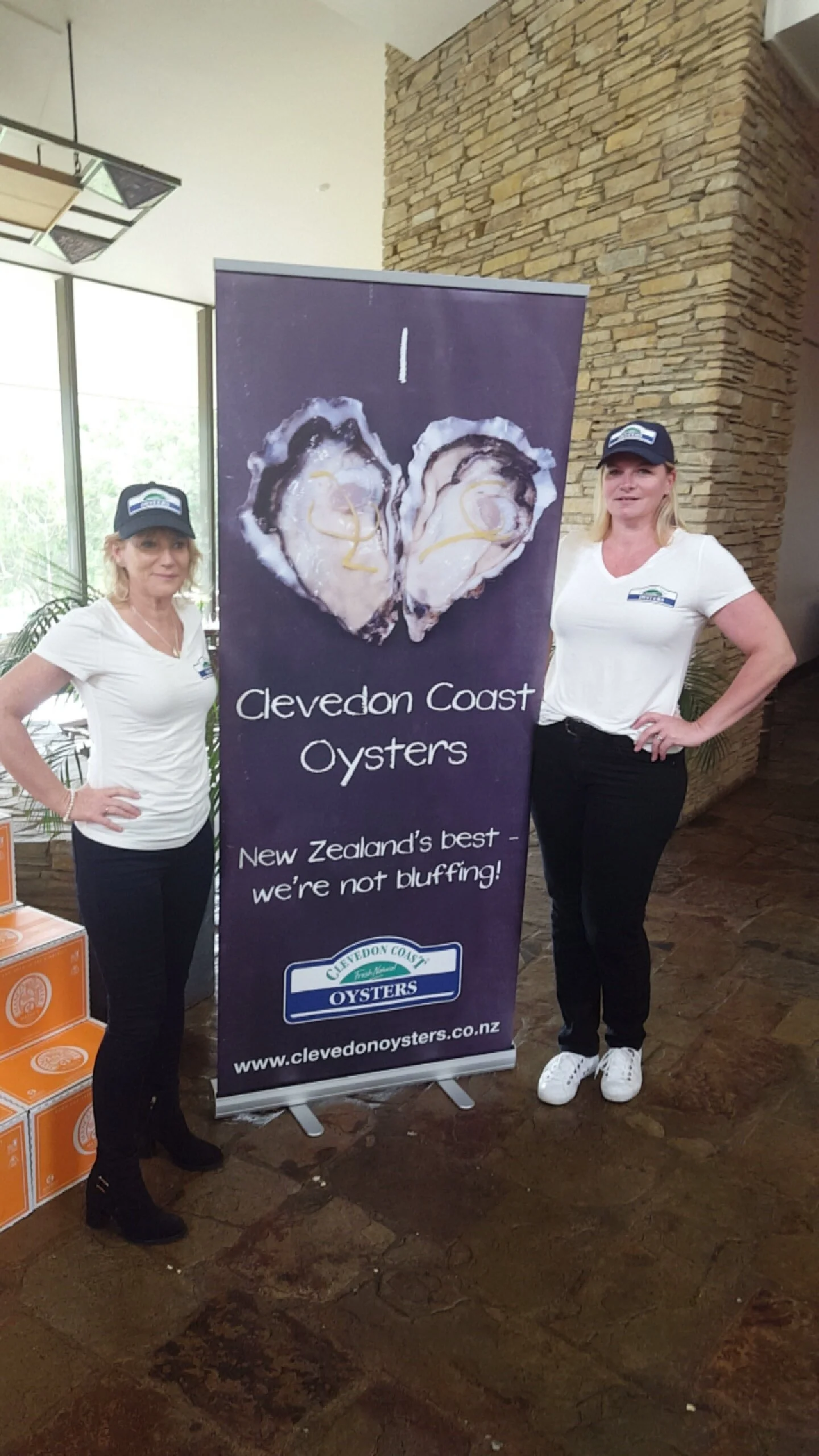
Scroll through the images below from the 40 year celebration held at The McCallum Residence on Friday 12th June:
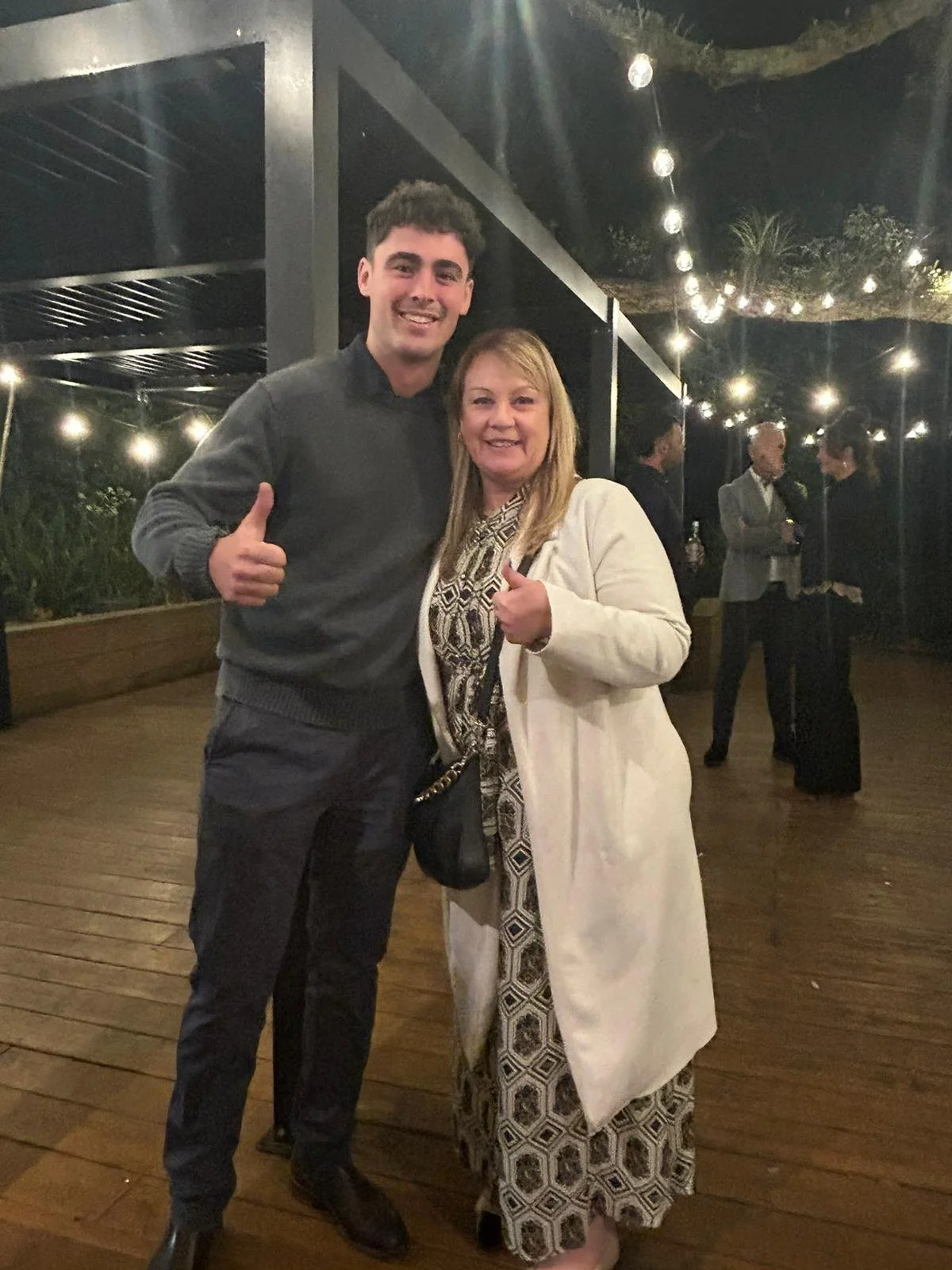
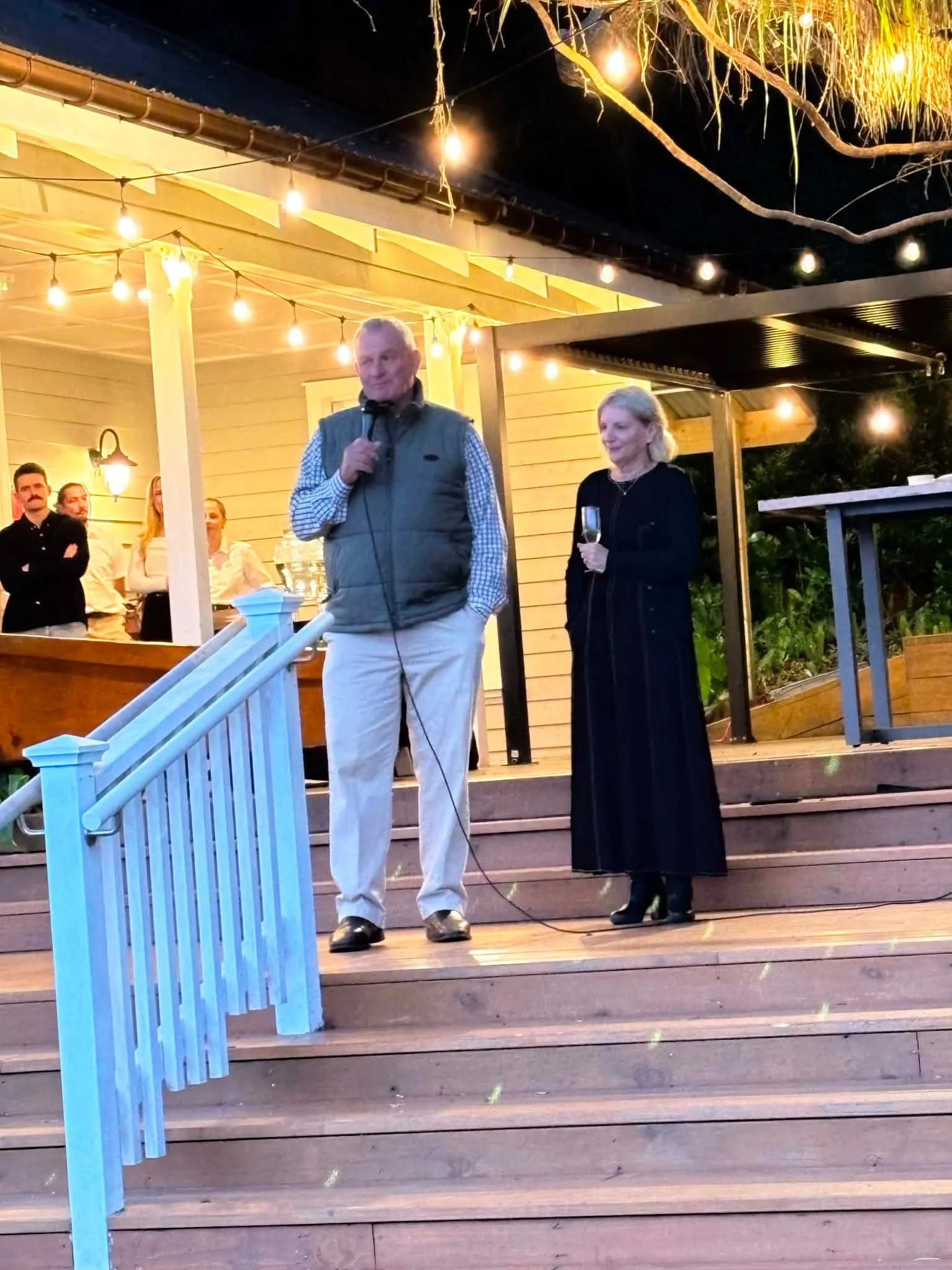
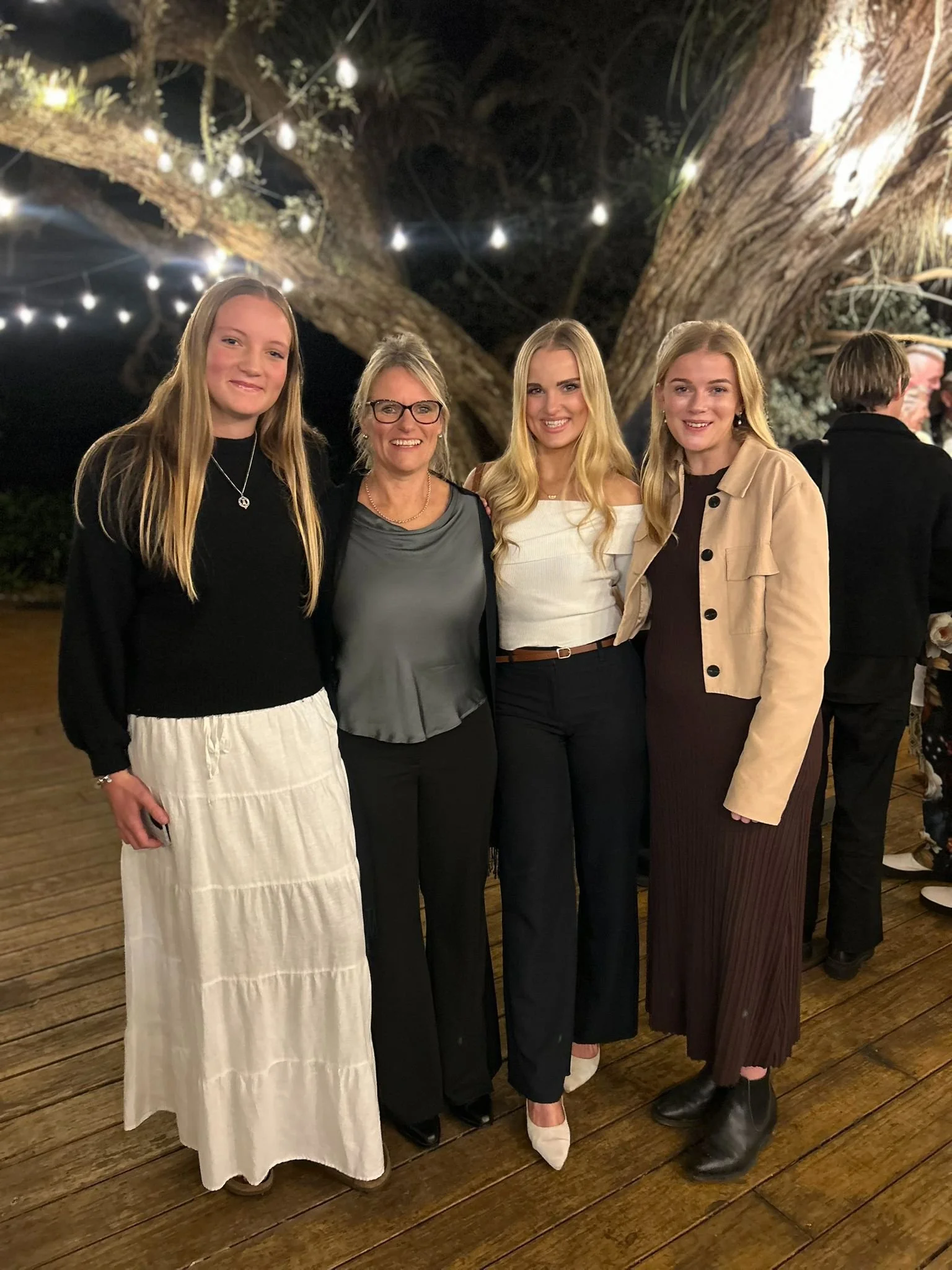
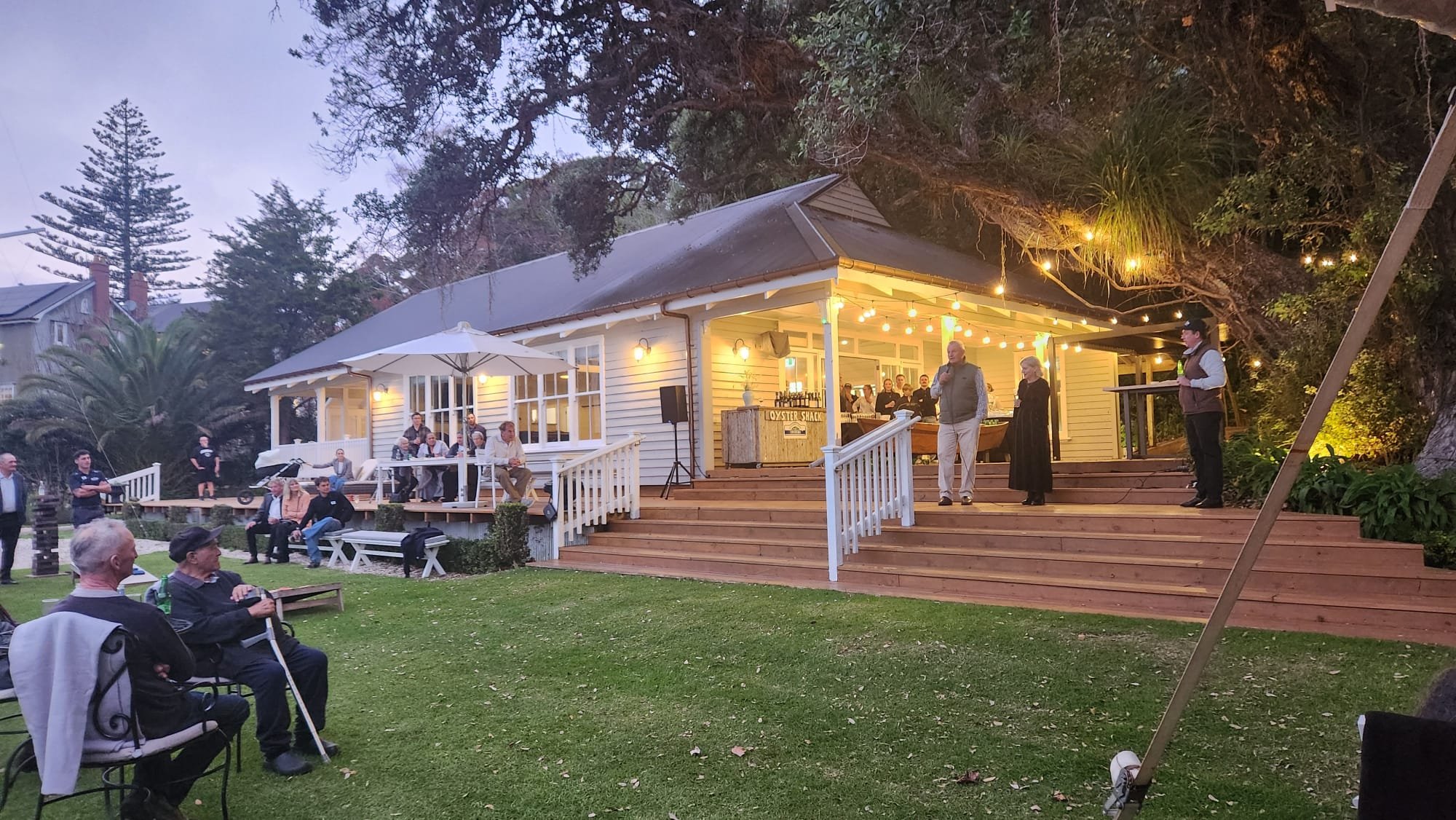
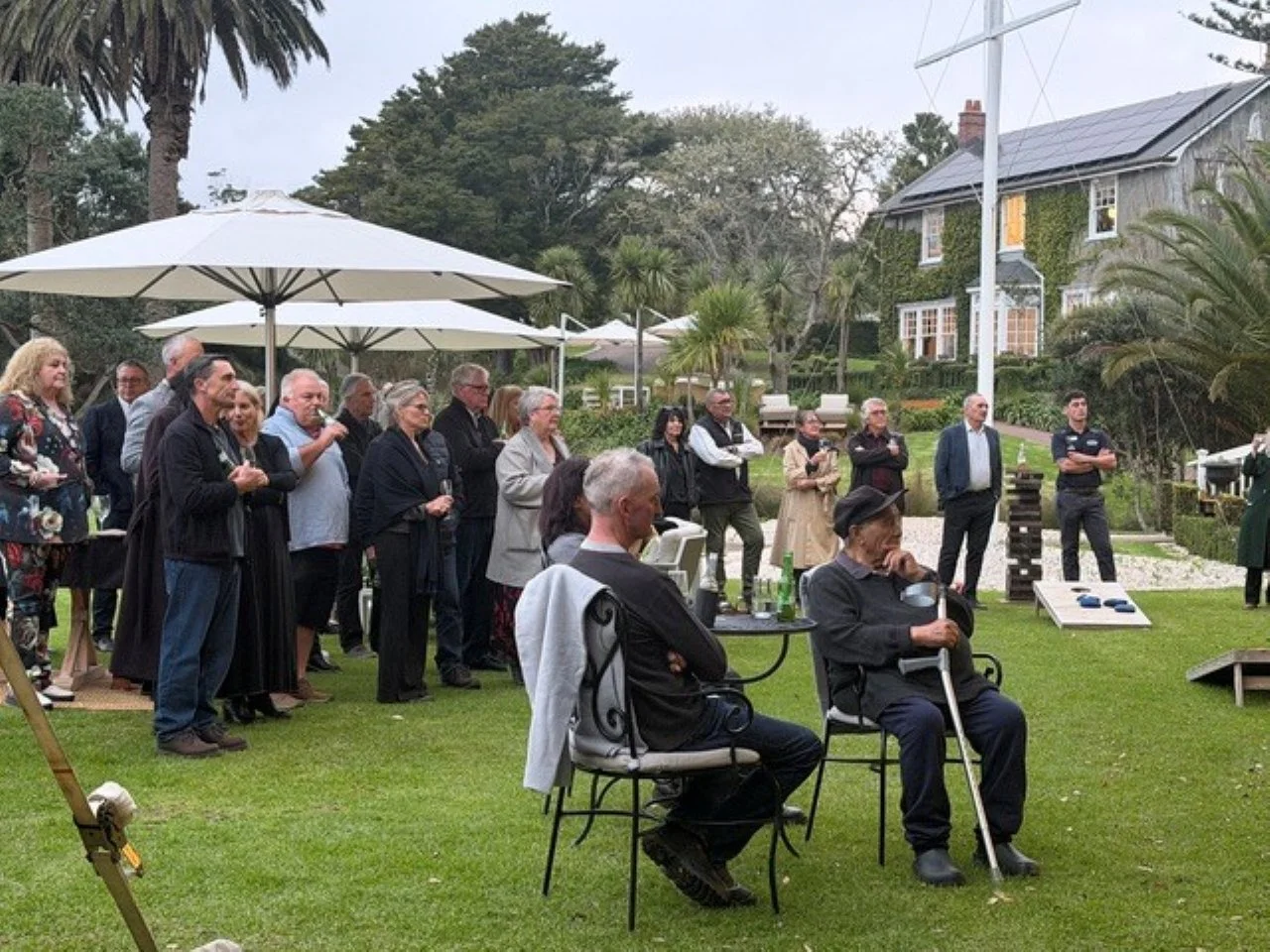
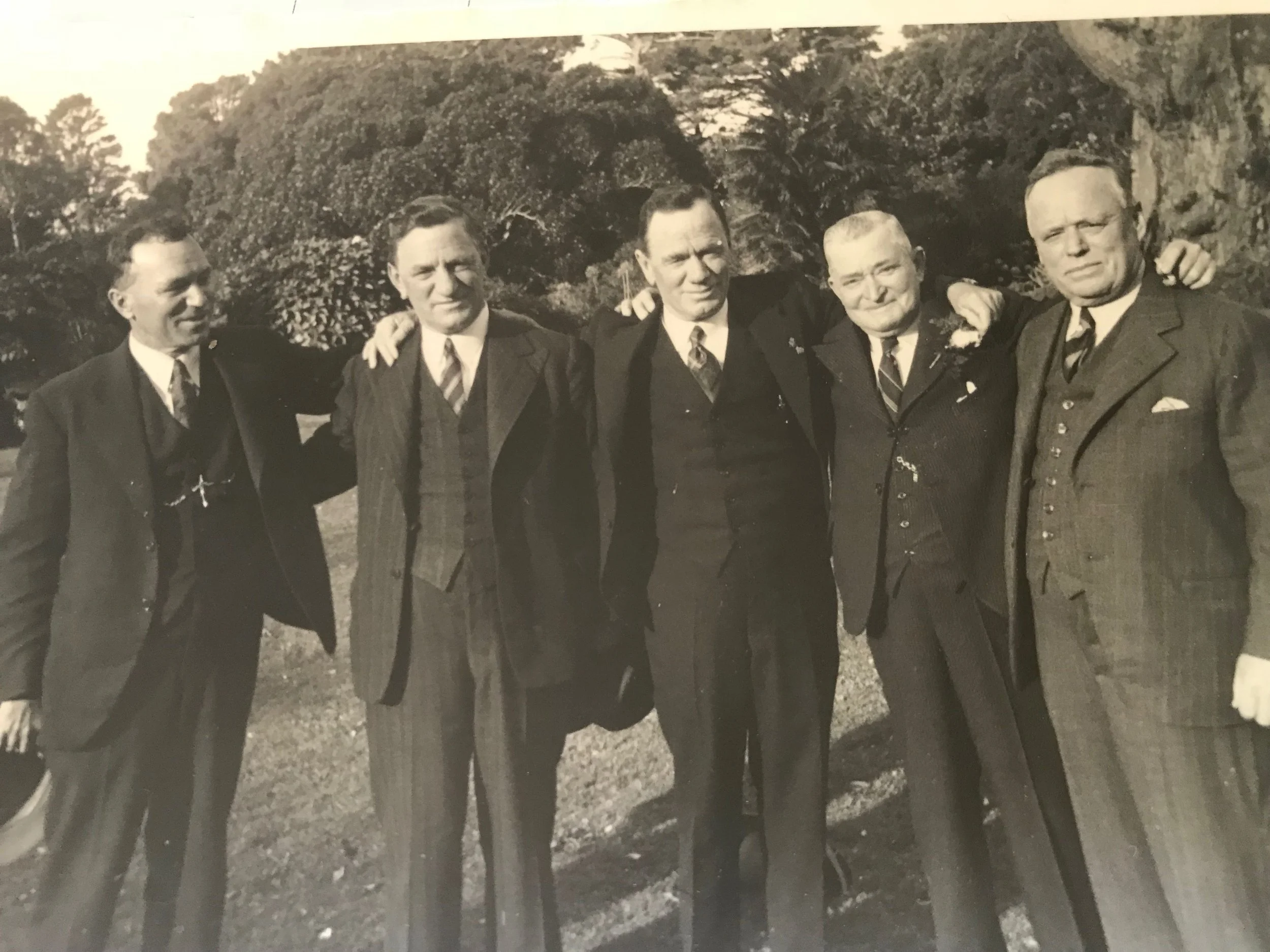
McCallum brothers
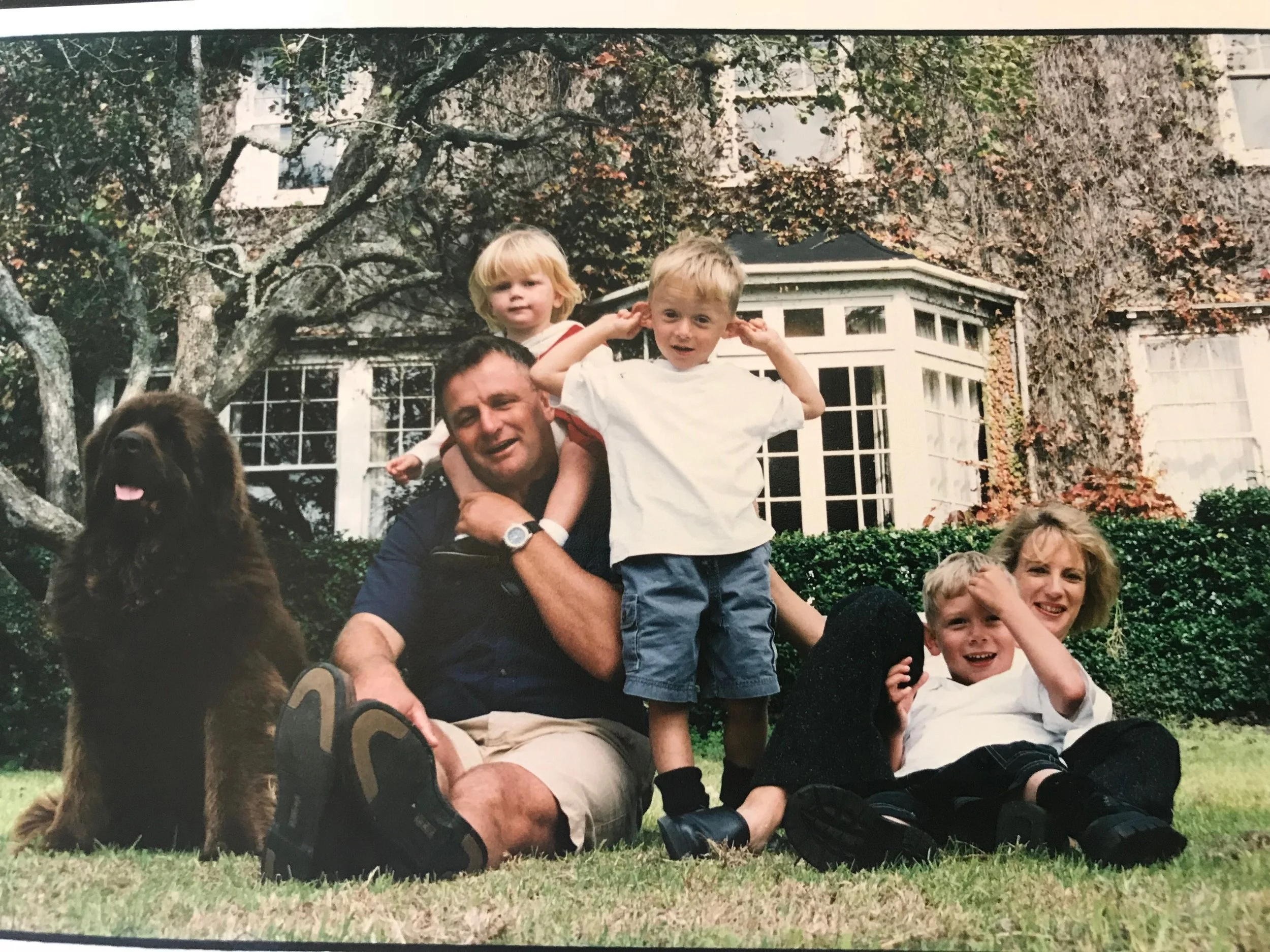
Left to Right: Jed the dog, Callum, Anna, Nelson, Fraser and Jan
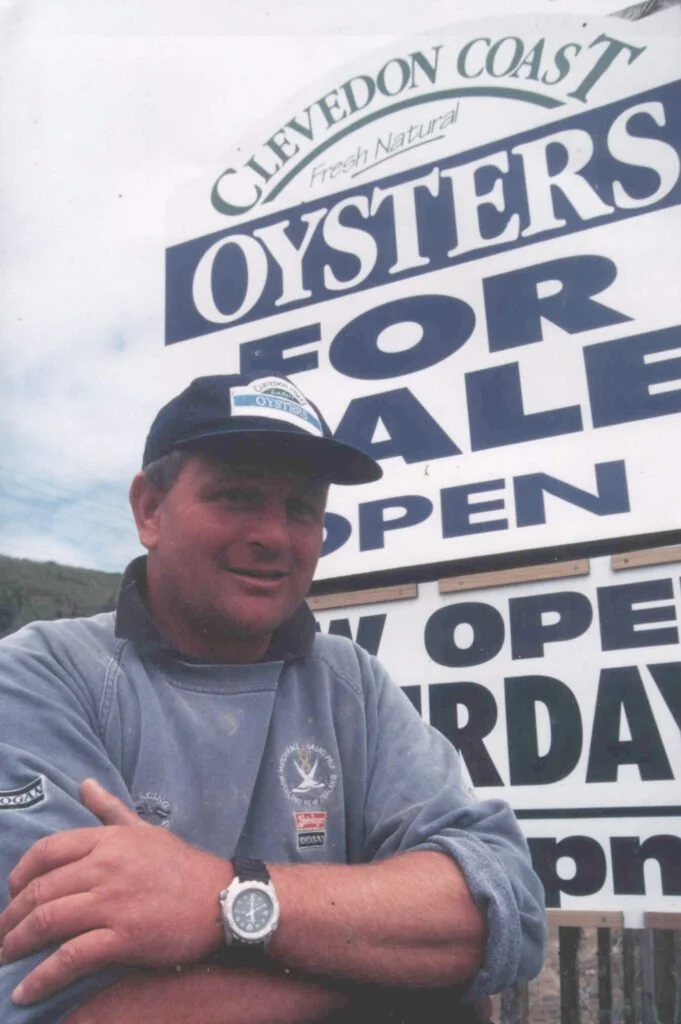
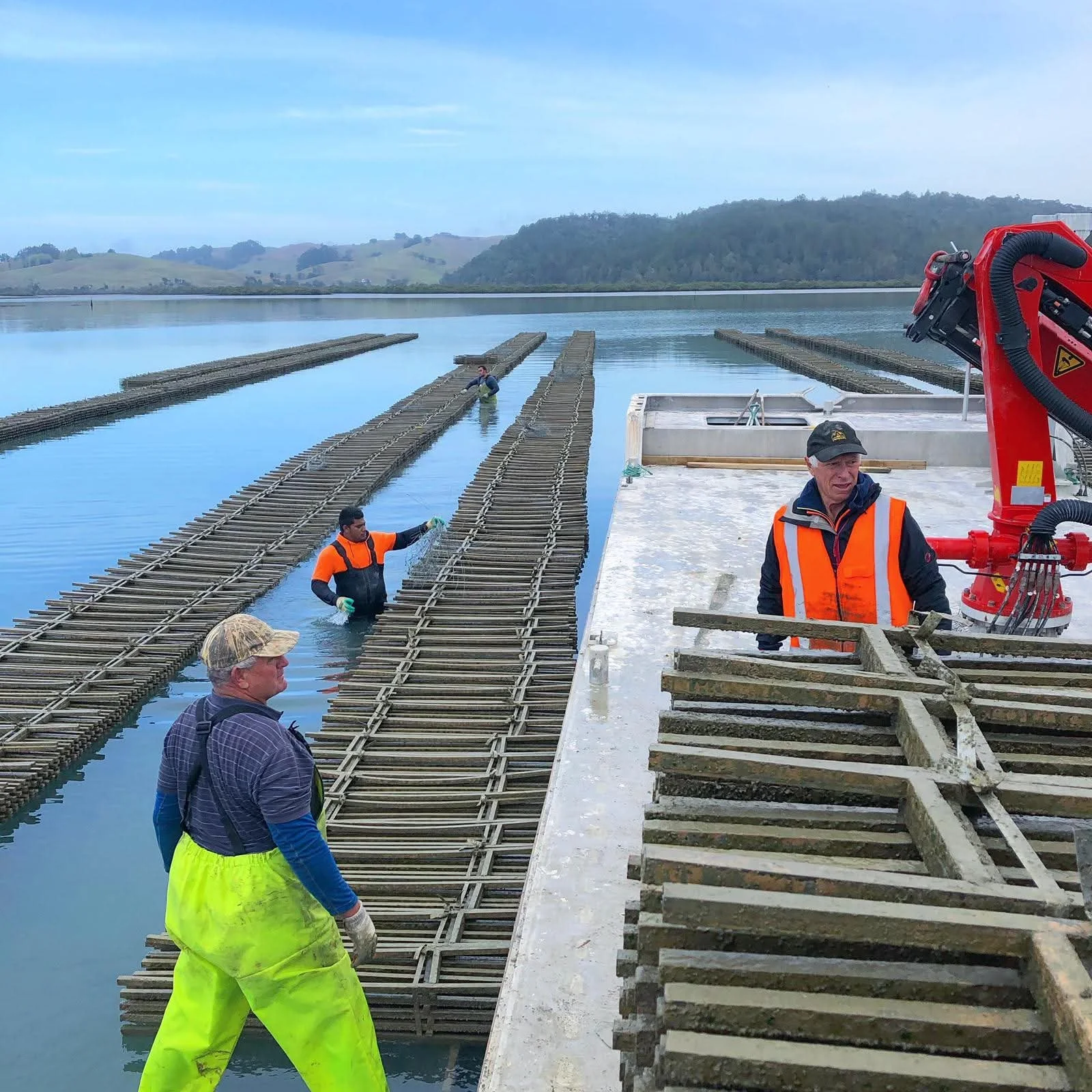
Callum and his Uncle Robbie working on the farm
A family steeped in history
The McCallum family, descendants of John McCallum who immigrated from Scotland in the 1860s, has a rich history in New Zealand.
In the late 1800s John established a successful shipping and sea freight business, and in 1894 he purchased Pakihi and Karamuramu Islands in the southern Hauraki Gulf.
This was the start of the McCallum’s connection with seafood as they thrived on oysters, mussels, and snapper from the gulf. Through the Great Depression they supported themselves by harvesting high-quality oysters.
In the early 1900s, John's children purchased land adjacent to the Islands in Clevedon, naming the farm ‘Lismore’ after the Scottish birthplace of their father.
William Fraser, one of John's sons, along with his wife Gwendoline, constructed a homestead, now known as the McCallum Residence.
Over time, the next generation assumed control of Lismore, and in 2015, John McCallum's son, Callum and his wife Jan took over ownership and management of the Residence.
Jan and Callum have transformed the house to its former glory, and in 2024 it opened as a premium accommodation facility and sought-after wedding venue.
Now, youngest daughter Anna (also known as Annie) and her husband Clevedon Estate General Manager Dan Cieslik, are carrying forward the legacy of the family business.
Clevedon Coast Oysters® has grown to become the fourth-largest oyster farming operation in New Zealand, with 20 percent of its harvest distributed through its retail outlet at the Clevedon farm.
The business is affiliated with the expansive McCallum Group of Companies, which encompasses The McCallum Residence and McCallum Bros Limited.