New Zealand fishing personality Matt Watson was walking along his local beach and found small, plastic, egg-shaped objects washed up alongside the usual plastic bottles and caps. He posted on his social media, asking his followers if they knew what they were.
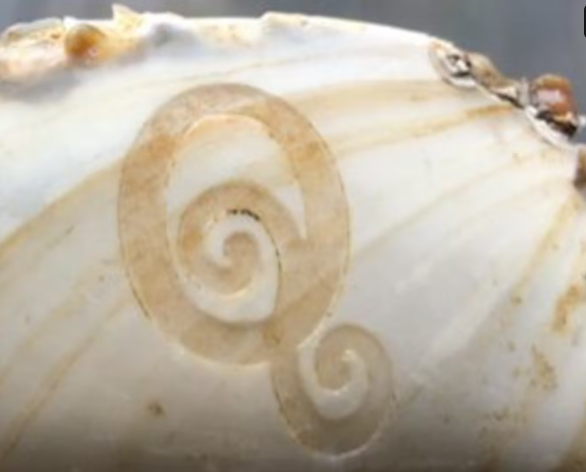
At Aquaculture New Zealand, the images raised a few questions too. Why were plastic moulds used in oyster farming turning up on a remote beach on the Purerua Peninsula in the Bay of Islands? Shaun Gregory from Aqua Mould Systems NZ Ltd, who developed the plastic pods, has the answer to the mystery. When an oyster is seeded inside a pod, it grows to the mould’s shape, producing a smooth shell with a distinctive Q quality mark.
So how did the pods end up on the beach?
“It’s very disappointing to see these washing up on our shoreline,” says Shaun, “but we believe they’re linked to a large oyster theft we experienced.”
In February 2025, around 2,000 dozen gourmet Pacific oysters —valued at about $60,000— were stolen from a Kerikeri farm.
After the theft, staff spent weeks walking through nearby mangroves, trying to find where the stolen oysters and empty moulds might have been dumped, given the sheer volume involved.
However, the pods only seem to appear after storms or very high tides.
Footage supplied by Matt Watson shows the pods are empty.
“The only way oysters can come out of these pods is if someone physically removes them—that wouldn’t happen in a storm,” says Shaun.
While theft is an ongoing challenge for oyster farmers, Shaun says plastic waste is something the industry can take action on. Aqua Mould Systems is now working to reduce its plastic use by 95 percent with a new method planned for rollout next season.
“The current moulds are shredded and recycled into products like stormwater drain covers,” he says. “From the start, our goal has been to minimise environmental impact, so this situation has been incredibly disheartening.”
The Ronja King arrive at Picton Port, Marlborough. Photo by Tim Cuff